 文章内容
文章内容
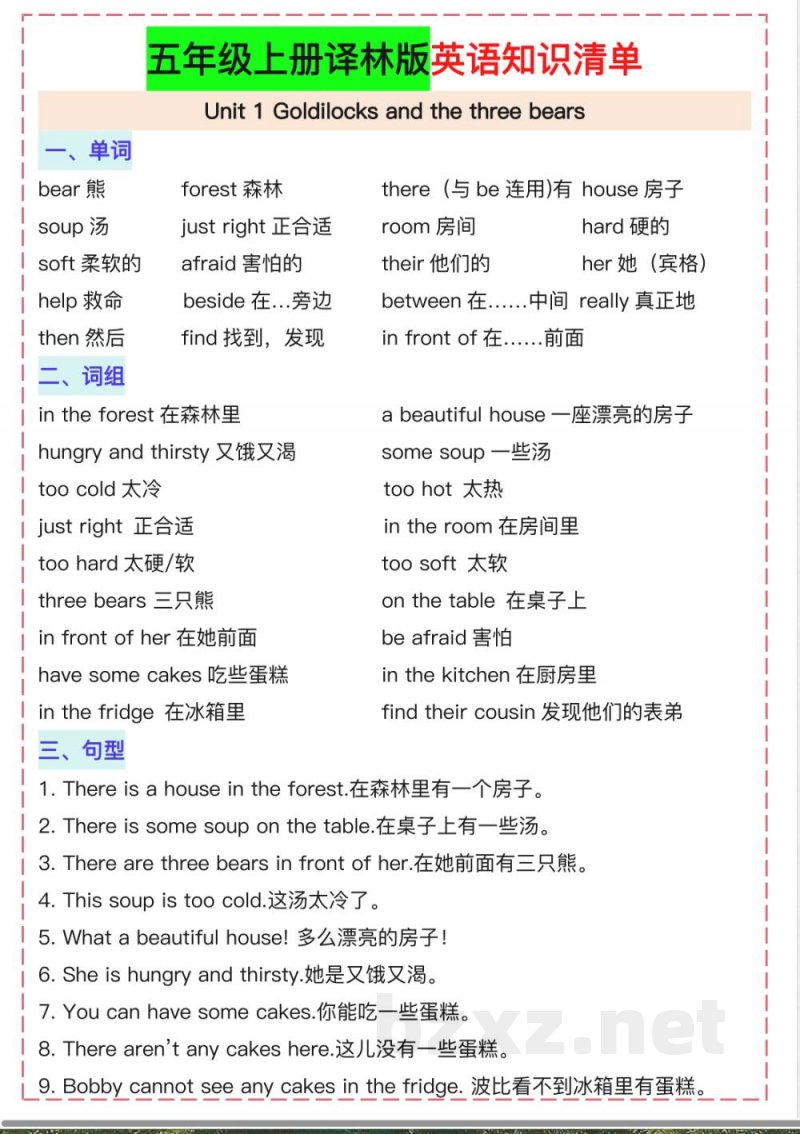
bear 熊, soup 汤, soft 柔软的, help 救命, then 然后
词组:
forest 森林, just right 正合适, afraid 害怕的, beside 在...旁边, find 找到, in the forest 在森林里, hungry and thirsty 又饿又渴, too cold 太冷, too hard 太硬/软, three bears 三只熊, in front of her 在她前面, have some cakes 吃些蛋糕, in the fridge 在冰箱里
句型:
there (与 be 连用), a house 房子, room 房间, their 他们的, hard 硬的, her 她, between 在......中间, really 真正地, in front of 在......前面, a beautiful house 一座漂亮的房子, some soup 一些汤, too hot 太热, in the room 在房间里, too soft 太软, on the table 在桌子上, be afraid 害怕, in the kitchen 在厨房里, find their cousin 发现他们的表弟
例句:
1. There is a house in the forest. 在森林里有一个房子。
2. There is some soup on the table. 在桌子上有一些汤。
3. There are three bears in front of her. 在她前面有三只熊。
4. This soup is too cold. 这汤太冷了。
5. What a beautiful house! 多么漂亮的房子!
6. She is hungry and thirsty. 她又饿又渴。
7. You can have some cakes. 你能吃一些蛋糕。
8. There aren't any cakes here. 这里没有蛋糕。
9. Bobby cannot see any cakes in the fridge. 波比看不到冰箱里有蛋糕。
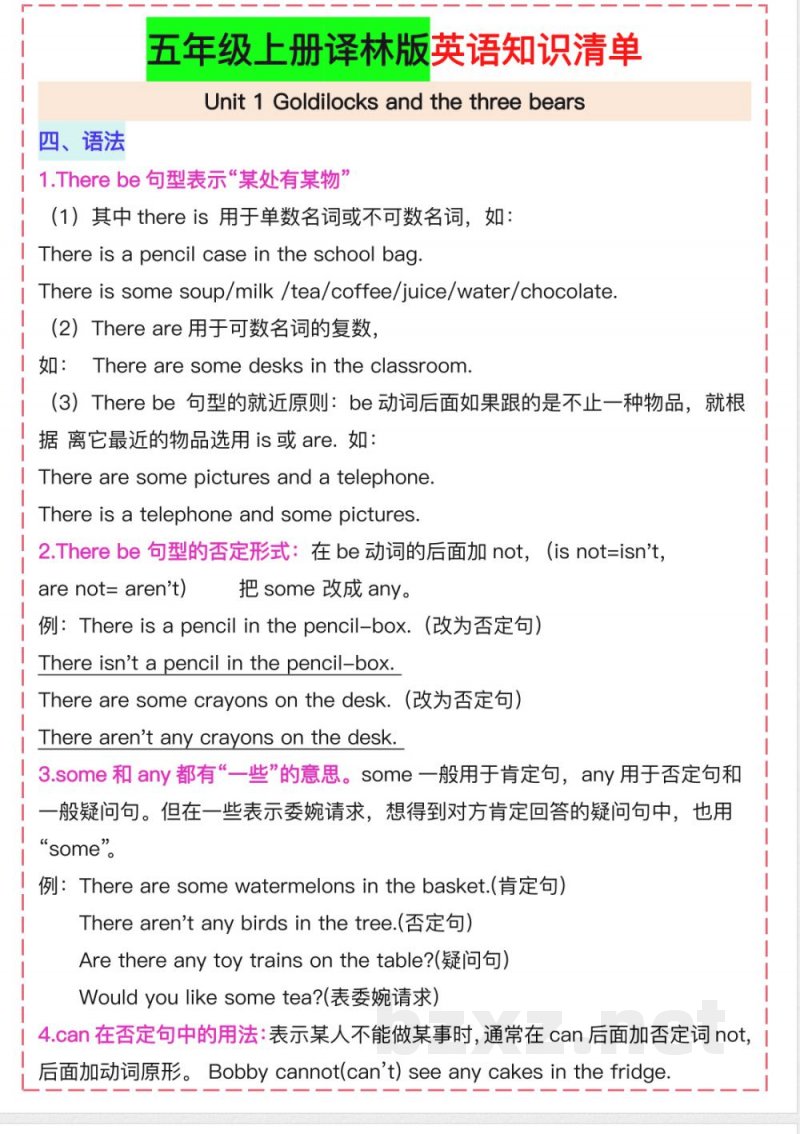
语法要点:
1. There be 句型表示“某处有某物”。单数或不可数名词用 There is,如:There is a pencil case in the school bag. 可数名词复数用 There are,如:There are some desks in the classroom。
2. There be 句型的否定形式:在 be 动词后加 not (isn't/aren't),同时把 some 改成 any。如:There isn't a pencil in the pencil-box. There aren't any crayons on the desk.
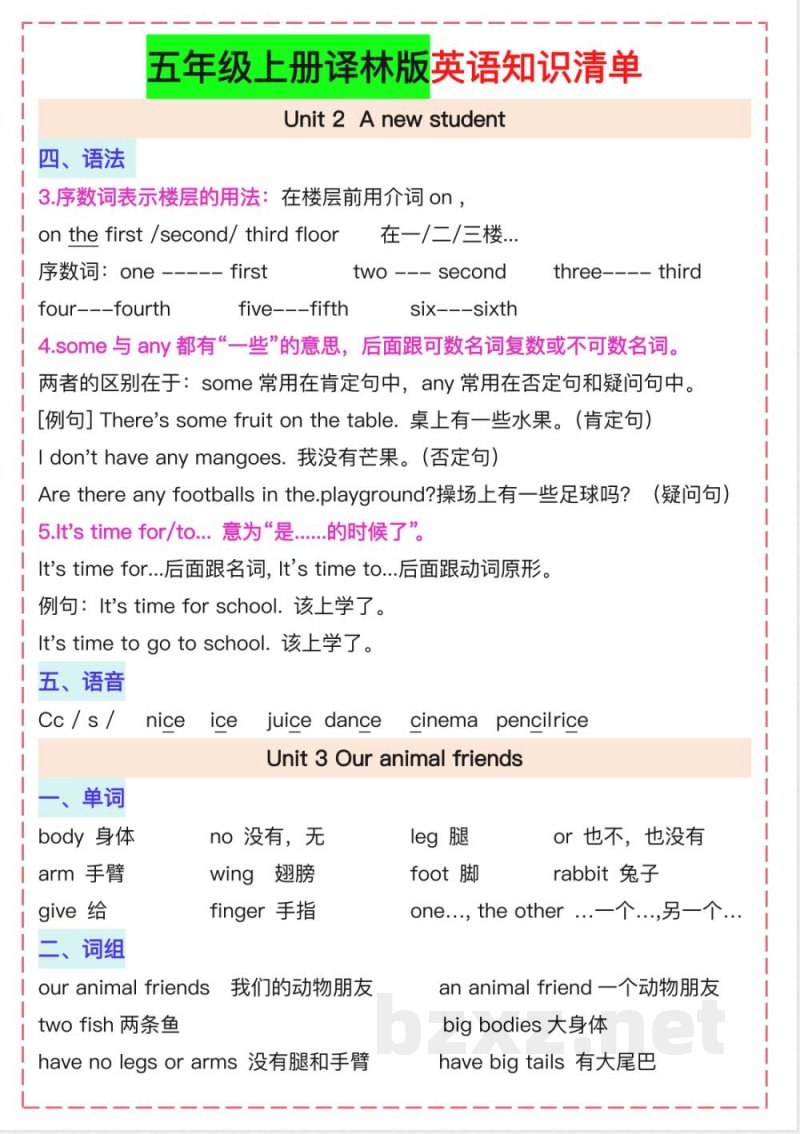
3. some 与 any 的用法:some 一般用于肯定句,any 用于否定句和一般疑问句,或表示委婉请求。例:There are some watermelons in the basket. (肯定句) There aren't any birds in the tree. (否定句) Are there any toy trains on the table? (疑问句) Would you like some tea? (委婉请求)
4. can 在否定句中的用法:表示某人不能做某事,can 后加 not,后接动词原形。例:Bobby cannot (can't) see any cakes in the fridge.
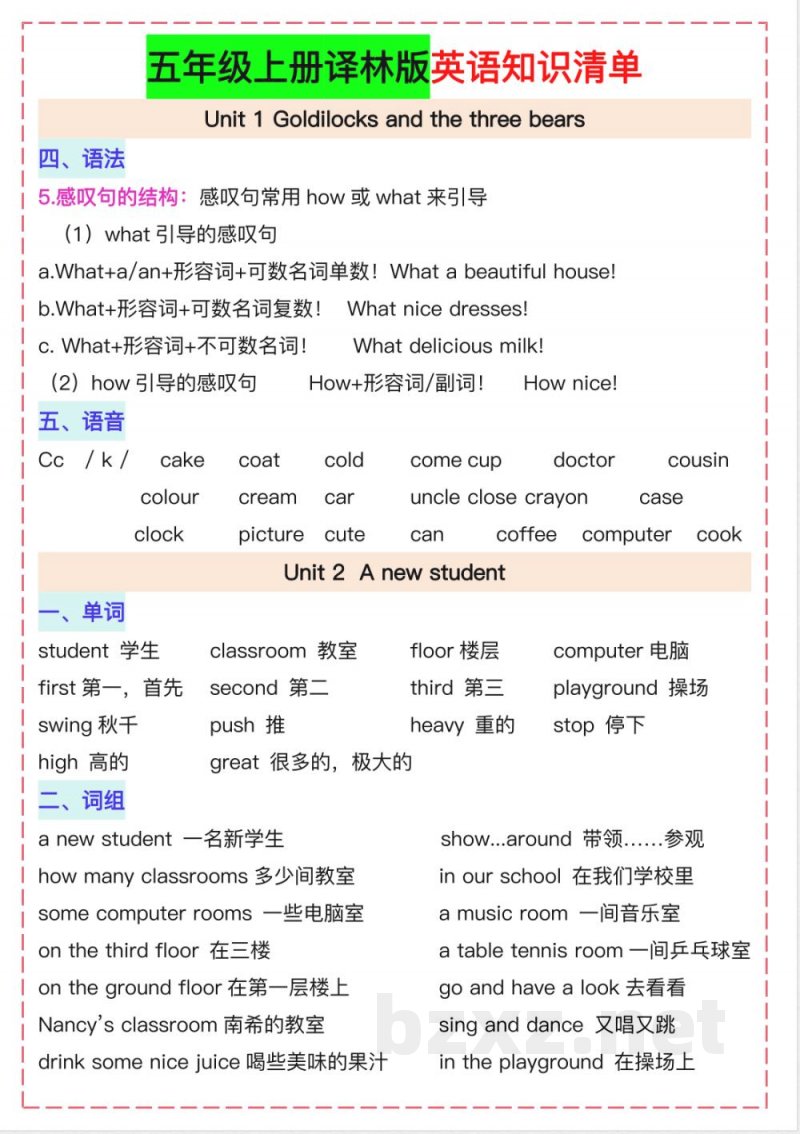
5. 感叹句的结构:用于表达强烈感情或赞叹,常以 What 或 How 开头。
说明:本文档为学习资料,仅供教学与自学使用,资源免费下载,不含任何诱导下载或捆绑程序。
小提示:上面此文档内容仅展示完整文档里的部分内容, 若需要下载完整文档请 点击免费下载完整文档 。